5 Questions for Austin Homeowners Choosing Architect or Design Build
Homeowner focused checklist for Austin projects: five questions to decide between an architect and design build, plus contract red flags and resale risks.
5 Questions for Austin Homeowners Choosing Architect or Design Build
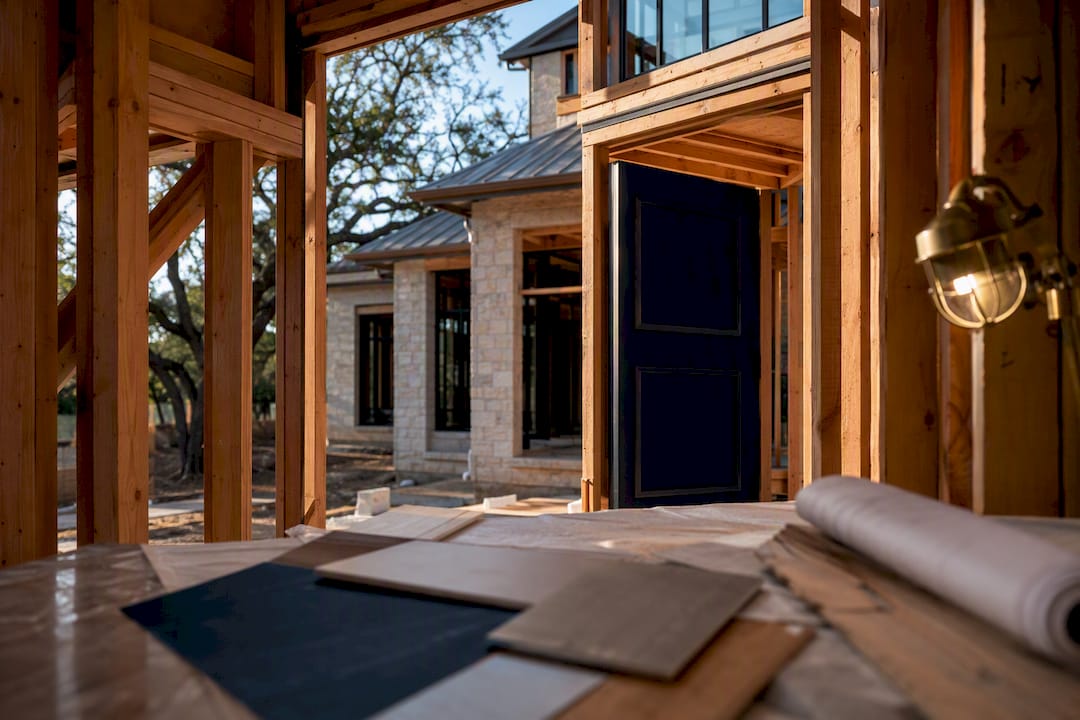
If your project sits on a tricky lot, involves major structural work, or hinges on a specific architectural vision, an architect-led team with independent oversight is usually the better bet. If you’re after a predictable remodel or addition and want one company accountable from sketch to final walkthrough, design-build tends to win on speed and simplicity. The real tradeoff is independent design advocacy versus single-point convenience.
TL;DR:
- Design-build contracts typically deliver projects faster through overlapping phases but offer less design control and lower transparency in costs.
- Architect-led projects provide more customized, scrutinized design and better protection against scope changes but usually require a longer timeline and higher upfront fees.
- Complex sites, heavy permitting, and highly distinctive designs favor architect-led delivery, while straightforward remodels and quick timelines suit design-build models best.
- Price certainty in design-build comes early with fixed maximums or allowances, whereas architect-led projects allow for more competitive bidding and detailed cost comparison.
- Long-term property value is affected by the initial design quality and oversight, making independent advocacy crucial for unique or high-value homes, especially in competitive markets like Austin.
Table of Contents
- Architect vs. Design-Build: The Key Differences
- What Are the Pros and Cons of Each Approach?
- How Do You Choose Between an Architect and Design-Build?
- Which Projects Actually Fit Each Model?
- Why This Decision Shapes Long-Term Property Value
- How We Guide Clients Through This Decision
- Ready to Build or Buy Smarter in Austin?
- Sources
- FAQ
Architect vs. Design-Build: The Key Differences
The two models split on five things that actually matter to your wallet and your timeline: who’s liable, how fast things move, when your price gets locked in, who’s watching out for your design, and what kind of project each one handles best.
With design-build, one company holds the contract for both design and construction, which means that company also holds the liability if something goes wrong on-site or on paper, according to the Design-Build Institute of America. Hire an architect separately, and you’re the one holding two contracts, which gives you leverage and competitive bidding but also puts you in the middle if the architect and contractor start pointing fingers.
Design-build lets design and construction overlap, often called fast-tracking, according to Procore. Architect-led delivery runs sequentially: design finishes, then contractors bid, then building starts. That sequence takes longer but gives you a complete design in hand before anyone touches a shovel.
| Factor | Architect-led | Design-build |
|---|---|---|
| Contract structure | Two separate contracts (architect, contractor) | One contract, one point of responsibility |
| Typical timeline | Sequential: design, then bid, then build | Overlapping phases, faster mobilization |
| Cost control | Fixed after competitive bidding | Early GMP or allowances, less bid competition |
| Design leadership | Independent architect advocates for you | Builder and designer share priorities |
| Best-fit projects | Custom, complex, or site-sensitive builds | Straightforward remodels and additions |
A few things worth flagging before you pick a lane:
- Design-build’s cost estimate typically comes early, based on a guaranteed maximum price or allowances, not a bid war between contractors.
- Architect-led jobs give you a finished design to shop around, so you can compare real numbers from multiple builders.
- Neither model is inherently cheaper. Outcomes depend heavily on the specific team’s coordination and track record, per Construction Dive’s reporting.
What Are the Pros and Cons of Each Approach?
Every homeowner eventually runs into the same friction points, whichever model they choose. Knowing them ahead of time saves you from an ugly surprise at week 12 of construction.
Architect-led delivery, the upside: you get real design customization, an advocate who reviews the contractor’s work against the drawings, and someone qualified to navigate zoning and permitting before you’re locked into a build, since architects are trained specifically for that role, per Andrew Mikhael Architect. The downside: a longer runway before groundbreaking, design fees before you see a shovel in the dirt, and the job of vetting and coordinating a separate contractor falls on you.
Design-build, the upside: one phone number, one contract, and cost input baked into the design conversation from day one. The downside: the design team answers to the same company running the build, which can quietly nudge choices toward what’s easy to build rather than what looks best or holds value longest.
Real scenarios worth avoiding on either side:
- An incomplete design set that forces the crew to make material decisions in the field, which is exactly how a bathroom remodel turns into a $15,000 change order nobody budgeted for.
- A builder-led design compromise that trims a signature window wall or ceiling height to save money, quietly denting resale value years later.
Pro Tip: Ask any design-build firm to show you their design development drawings before construction starts. If they can’t produce something close to what an independent architect would deliver, you’re buying speed at the cost of design control.
How Do You Choose Between an Architect and Design-Build?
Start by scoring your own project honestly, not by asking which model sounds more impressive.
- How complex is your site? Steep slopes, flood plains, and historic overlays favor architect-led delivery.
- How much regulatory risk are you carrying? Complicated permitting favors independent oversight.
- How distinctive does the design need to be? Custom, one-of-a-kind homes lean architect-led.
- How urgent is your timeline? If you need to move fast, design-build usually wins.
- How involved do you want to be? Design-build asks less of your time; architect-led asks more but gives you more control.
Whichever direction you lean, ask prospective teams these questions directly:
- Who holds liability if there’s a design error discovered mid-construction?
- How are contingencies and allowances calculated, and what happens if they’re exceeded?
- Will the architect stay on for construction administration, or does their role end at permit approval?
- Can you walk through a completed project similar to mine, and talk to that owner?
Red flags to walk away from: vague scope language, open-ended allowances with no cap, no construction-administration line item, and no early estimating process before you sign anything. The AIA’s contract guidance is a solid reference point for what a clean contract actually looks like under each delivery method.
Which Projects Actually Fit Each Model?
A custom home on a constrained lot, an addition involving structural changes, or a project navigating heavy permitting almost always benefits from architect-led delivery and the design distinctiveness that comes with it. You’re paying for someone whose only job is protecting your interests and your design intent through the build.
Cosmetic remodels, kitchen refreshes, and additions with a well-understood scope are where design-build shines. You know roughly what you’re getting, you want it fast, and you don’t need an independent referee.
Still torn? Run your project through the checklist above one more time, and if it’s genuinely a toss-up, bring in a construction or owner’s representative to referee the decision instead of guessing.
Why This Decision Shapes Long-Term Property Value
Mike Mogavero has spent more than 20 years watching Austin’s custom and pre-construction market, and design decisions made at the start of a build echo for decades in resale value. A home with a compromised floor plan or a downgraded material list doesn’t just look different, it appraises differently.
In markets like Austin, where architectural distinctiveness commands a real premium, the difference between a design that was defended by an independent advocate and one that was quietly adjusted to hit a builder’s number shows up on the closing table years later.
That’s not a knock on design-build. It’s a reminder that liability allocation, per the DBIA, and independent oversight, per LISC’s project delivery research, aren’t abstract concepts. They show up in your appraisal.
How We Guide Clients Through This Decision
We tell clients the same thing every time: decide what you’re optimizing for before you interview a single team. If long-term value and design integrity matter more than speed, architect-led usually serves you better. If simplicity and a fast timeline matter more, design-build fits. We help clients evaluate builder and architect pairings, or vet a design-build team’s track record, before they sign anything.
— Mike
Ready to Build or Buy Smarter in Austin?
If you’re weighing a custom build against buying something already exceptional, Mogavero Group gives you a third option most homeowners never see: access to off-market and pre-construction opportunities where the architectural decisions have already been made well. Instead of gambling on a delivery model, you can walk through homes where design stewardship already shaped the outcome.
Before your first consult, have three things ready: your site or target neighborhood, a realistic budget range, and a short wish list of must-haves versus nice-to-haves. That’s enough for us to point you toward the right architect, builder, or existing property for your goals. Browse our current private luxury listings or reach out to start the conversation about what fits your project and your timeline.
Sources
- What Is Design-Build? | DBIA
- Project delivery options: pros and cons | LISC
- Design-build vs design-bid-build | Procore
FAQ
Does an Architect Design or Build?
Architects design. They create drawings, coordinate engineering, and often oversee construction to confirm the finished project matches the plans, but they don’t perform the physical construction work themselves.
What’s the Difference Between Building Design and Architecture?
Building design can be handled by drafters or designers without a license, while architecture requires a licensed professional trained to manage complex zoning, code compliance, and construction oversight, per Andrew Mikhael Architect.
Are Design-Build Firms Worth It?
They’re worth it for straightforward, well-scoped projects where speed and single-point accountability matter more than independent design advocacy. Success depends heavily on the specific team’s collaboration and track record, not the model itself.
Why Is Architecture No Longer Considered a Professional Degree in Some Discussions?
That debate usually centers on licensure pathways and university program changes, not on the value of the work. Licensed architects still carry legal responsibility for code compliance and design intent that unlicensed designers don’t.